
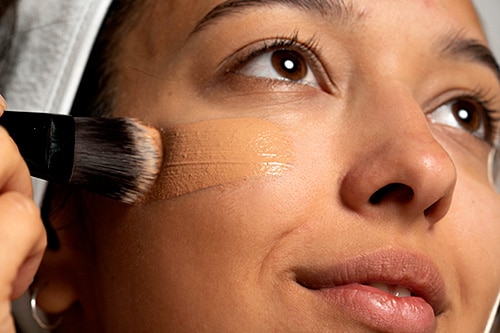
 There are a lot of things to take into account when you’re pregnant. Besides physical changes, you also have to be mindful of what you put on your body, including everything from your sunscreen, shampoo, face wash, and more. So while you may already be enjoying that pregnancy glow, you may also want to look at the makeup you wear every day, like your favorite foundation, to make sure it’s pregnancy-safe.
As a major part of many women’s beauty regimens, finding a pregnancy-safe foundation is a must. Your body can absorb substances through the skin, so expectant moms need to be careful about the ingredients in their makeup.
How Your Skin Changes During Pregnancy
During pregnancy, your body undergoes major hormonal changes that directly affect your skin. Increased estrogen and progesterone levels can make your skin more sensitive and reactive to products you previously tolerated well. Additionally, pregnancy increases blood flow to the skin, which may increase the absorption rates of topically applied products.
Your facial skin, being thinner and more vascular than other areas of your body, absorbs substances more readily. This means that ingredients in your foundation can enter your bloodstream and potentially reach your developing baby through the placenta.
Understanding Product Labels: What They Really Mean
Natural: Products labeled “natural” aren’t regulated and may still contain synthetic ingredients or harmful substances. Natural doesn’t automatically mean pregnancy-safe.
Organic: This means the product has mostly organic ingredients (at least 95%). But organic doesn’t always mean pregnancy-safe.
Clean Beauty: This is a marketing term without a standardized definition. Always check ingredient lists rather than relying on “clean” claims.
Pregnancy-Safe: These products are made without ingredients that could harm your baby. Look for products that say they’re specifically made for pregnant women.
How to Choose Pregnancy-Safe Foundation
Here, we break down which ingredients can hurt your growing baby and why they’re harmful during pregnancy:
Parabens (words ending in -paraben):
- These can get to your baby through your blood
- They might cause early birth or low birth weight
- They mess with your hormones
- Found in most regular makeup
Phthalates (DEP, DBP, DEHP):
- Can cause diabetes during pregnancy
- Might cause early labor
- Could hurt male babies’ development
- Often hidden under “fragrance” on labels
Formaldehyde (and similar chemicals):
- Is a cancer-causing chemical
- Can make it hard to breathe and irritate skin
- Might increase the chance of losing your baby
- Look for: DMDM hydantoin, quaternium-15
Retinoids (Retinol, Retinyl Palmitate):
- Can cause birth defects
- Especially dangerous in early pregnancy
- Can hurt your baby’s brain and spine development
Heavy Metals (Lead, Mercury):
- Can hurt your baby’s brain development
- Cause learning problems later
- More common in dark-colored makeup
Quick Reference: Ingredients to Avoid Checklist
- Parabens (any ingredient ending in -paraben)
- Phthalates (DEP, DBP, DEHP, or “fragrance”)
- Formaldehyde and formaldehyde releasers
- Retinoids (retinol, retinyl palmitate, tretinoin)
- Hydroquinone
- Oxybenzone and octinoxate (chemical sunscreens)
- Triclosan and triclocarban
- BPA (bisphenol A)
- Toluene
- Ammonia
- Synthetic fragrances (listed as “parfum” or “fragrance”)
- Coal tar dyes
- Aluminum
Pregnancy-Safe Alternatives to Look For
- Zinc oxide (natural sunscreen)
- Titanium dioxide (natural sunscreen)
- Iron oxides (for color)
- Vitamin E
- Hyaluronic acid (keeps skin moist)
- Glycerin (moisturizer)
- Natural waxes
- Safe plant oils
- Mica (for shine)
List of the Best Pregnancy Safe Foundation by Budget
Cheap Options ($5-$15):
- Maybelline Dream Fresh BB Cream – 5 colors, SPF 30
- Physicians Formula Super CC Cream – 6 colors, good for sensitive skin
- L’Oréal True Match Tinted Serum Foundation – 15 colors
- CoverGirl Clean Matte BB Cream – 8 colors
Medium Range ($20-$40):
- IT Cosmetics CC+ Cream Natural Matte – 12 colors, SPF 40
- bareMinerals Complexion Rescue – 20 colors, SPF 30
- Supergoop! CC Screen – 15 colors, SPF 50
- COOLA BB Cream – 5 colors, organic
Higher-End Options ($40+):
- Tarte Rainforest Foundation – 20+ colors
- Drunk Elephant D-Bronzi Serum – works for all skin colors
- RMS Beauty Un Cover-Up – 30+ colors, organic
Best Foundation for Your Skin Type
Dry Skin:
- Look for: Ingredients that add moisture
- Avoid: Products with alcohol
- Best choice: Tinted moisturizers, hydrating BB creams
- Tip: Put face oil on first for extra moisture
Oily Skin:
- Look for: Oil-free, won’t clog pores
- Best choice: Matte BB creams, powder foundations
- Tip: Use blotting papers during the day instead of adding more powder
Sensitive Skin (which is common during pregnancy):
- Look for: No fragrance, made for sensitive skin
- Good ingredients: Chamomile, aloe
- Best choice: Mineral foundations, gentle tinted moisturizers
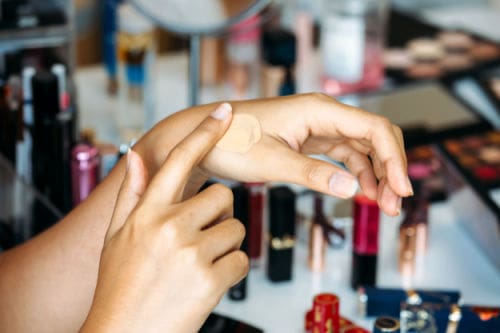
- Important: Always test new products on your wrist first
Acne-Prone Skin:
- Look for: Won’t clog pores, has tea tree oil
- Avoid: Heavy oils
- Best choice: Light CC creams, mineral foundations
- Good news: Pregnancy acne often goes away after baby is born
Call Your Doctor Right Away If:
- You get a bad skin reaction to new makeup
- You get dark patches on your face suddenly
- Your skin stays irritated or rashy
- You have questions about ingredients in your current makeup
Talk to Your Doctor About:
- Changes in how your skin feels
- Safe alternatives to prescription skin products
- Planning your skincare after baby comes
Common Skin Changes During Pregnancy
Dark Patches (Melasma):
- Happens to more than half of pregnant women
- Shows up as dark spots on cheeks and forehead
- Makeup tips: Use color-correcting primer. Don’t scrub hard
- Must do: Wear sunscreen every day (SPF 30 or higher)
More Sensitive Skin:
- Most common in the first and last trimesters
- You might become allergic to things you used before
- Makeup change: Switch to gentler products with no fragrance
- Always test new products first
Pregnancy Acne:
- Caused by hormone changes
- Often gets better in the middle of pregnancy
- Makeup need: Light coverage that won’t clog pores
- Avoid: Products that dry out your skin too much
Pregnancy Glow:
- Your skin might look better because of better blood flow
- You might need less makeup coverage
- Makeup tip: Try tinted moisturizer instead of heavy foundation
- Focus on: Sunscreen and keeping skin moist
How to Apply Foundation Safely
Get Your Skin Ready:
- Wash with gentle, pregnancy-safe cleanser
- Use alcohol-free toner
- Put on moisturizer with SPF
- Wait 5-10 minutes before applying makeup
Apply:
- Make sure your hands and tools are clean
- Start with a little bit – you might need less during pregnancy
- Add more only where you need it
- Use a tiny bit of powder to set
- Carry blotting papers for touch-ups
Keep Tools Clean:
- Wash brushes and sponges every week
- Replace sponges every one or two weeks
- Don’t share tools with other people
- Store in a clean, dry place
Why Testing New Products is Extra Important When Pregnant:
- Your skin is more sensitive
- You can develop new allergies
- Hormones make your skin react differently
How to Test:
- Put a little product on your inner wrist
- Cover with a bandage and leave for one to two days
- Check for redness, itching, or swelling
- If no reaction, try a small spot on your face
- Wait another day before using on your whole face
Bad Reactions to Watch For:
- Burning or stinging right away
- Rash or bumps
- Swelling or really red skin
- Itching that won’t stop
- Any reaction that gets worse
Remember: Your skin needs might change throughout pregnancy. What works when you’re three months pregnant might not work when you’re eight months pregnant. Stay flexible and choose gentle, pregnancy-safe products over perfect coverage. Your baby’s health is more important than perfect makeup!
For more ideas to change up your daily beauty routine so that it’s safe for your growing baby, check out our series on pregnancy-safe beauty products!
Editor’s Note: This article was originally published on November 3, 2021, and has since been updated.